











































































Navigating the 2026 B2B Vape Supply Chain: Trends, Compliance, and Smart Sourcing Strategy
1. The Shift to Smart Devices and Manufacturing Innovation
The era of generic, basic e-cigarettes is long gone. Today's consumers demand premium experiences, which has forced B2B manufacturers to invest heavily in automated production and advanced technology.
Advanced Hardware Trends
When sourcing bulk inventory, distributors must look for high-margin features that appeal to the modern consumer. The industry has standardized several major innovations:
-
Dual-Mesh Coils: Alternating heating elements that ensure flavor consistency and eliminate burnt tastes, even as the e-liquid runs low.
-
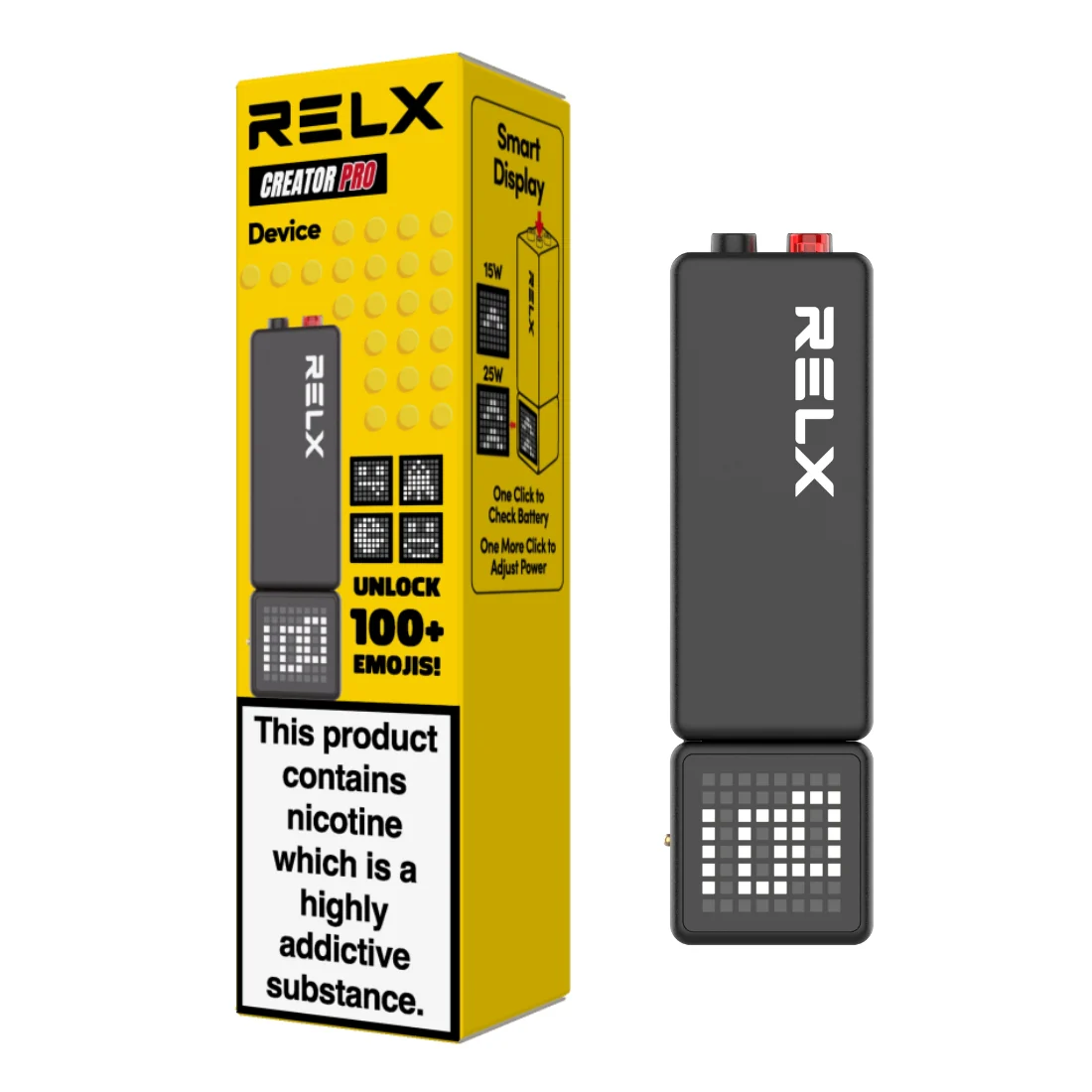
Interactive Smart Screens: Full-color LED or animation displays showing real-time battery percentages and precise e-liquid tracking.
-
Eco-Conscious Architecture: Modular assembly featuring removable lithium-ion batteries and biodegradable outer casings to counter the environmental backlash against disposables.
To maintain these high standards, top-tier original equipment manufacturers (OEMs) have shifted away from manual assembly to fully automated cleanrooms. Automation drastically minimizes human error, lowers defect rates, and guarantees that the internal resistance of the coils remains perfectly uniform across a million units.
http://googleusercontent.com/image_generation_content/0
2. Deciphering Global Regulatory Compliance (TPD & PMTA)
Compliance is no longer an afterthought—it is the gatekeeper of market access. A low-cost inventory source is worthless if your entire shipment is seized at customs due to a missing certification. Different regions require completely different compliance pathways, and your B2B partner must be thoroughly equipped to handle them.
The European Market (TPD Compliance)
For businesses operating in or exporting to the European Union, strict adherence to the Tobacco Products Directive (TPD) is mandatory. Key requirements include:
-
A maximum tank/pod capacity of 2ml.
-
A maximum nicotine concentration cap of 20mg/ml ().$2\%$
-
Child-resistant and tamper-evident packaging.
-
Six-month prior notification before a product can be introduced to the market.
The United States Market (PMTA)
In the US, navigating the Food and Drug Administration's (FDA) Premarket Tobacco Product Application (PMTA) pathway is notoriously complex and expensive. Importers must verify that their manufacturing partners possess comprehensive chemical testing data, toxicological profiles, and environmental impact studies to withstand rigorous federal scrutiny.
Pro-Tip for Wholesale Buyers: Always demand to see verifiable independent lab reports (Material Safety Data Sheets, CE, RoHS, and TPD registration numbers) before issuing a deposit. True B2B industry leaders will share this documentation transparently.
3. Optimizing Logistics and Dangerous Goods Shipping
Shipping electronic cigarettes is uniquely challenging because they are legally classified as dangerous goods. Because disposable vapes combine a lithium-ion battery with a chemical liquid, they are subject to strict international aviation and maritime regulations.

Navigating Freight Bottlenecks
To avoid costly delays, a robust B2B logistics strategy requires partnering with dedicated vape freight forwarders. General cargo forwarders often lack the clearance or knowledge to handle e-cigarette manifests properly. Specialized logistics providers utilize dedicated air-freight channels and established customs brokerage routes to ensure that bulk shipments pass through international borders efficiently, safely, and without unexpected penalties.
Furthermore, geographic diversification in your supply chain—such as utilizing bonded warehouses closer to your target market—can help buffer your retail clients against seasonal shipping bottlenecks or sudden political tariff shifts.
4. Building Strategic OEM/ODM Partnerships
Ultimately, the traditional vendor-buyer dynamic is outdated. To thrive in the current market, B2B buyers must treat their manufacturers as strategic, long-term partners.
When deciding between an OEM (Original Equipment Manufacturing) approach—where you design the device from scratch—or an ODM (Original Design Manufacturing) model—where you white-label a pre-engineered chassis—clear communication is everything. A strong relationship grants you priority production queues during peak seasons, co-development opportunities for exclusive regional flavors, and flexible credit terms that optimize your cash flow.
By prioritizing strict quality control, staying ahead of regional laws, and embracing technological trends, your B2B enterprise can build a highly resilient supply chain capable of dominating the market.