












































































The Mechanics of Leak-Proof Vapes: A Wholesale Buyer’s Engineering Guide to E-Liquid Hardware Compatibility
For large-scale electronic cigarette distributors, high-volume vapor wholesalers, and regional brand owners, managing the product return rate (RMA) is the dividing line between a highly profitable fiscal year and severe financial loss. In the fast-moving disposable vape and closed-pod markets, the single most destructive product failure is not battery degradation, but e-liquid leakage.
When an electronic cigarette leaks during maritime transit or while sitting on a retail shelf, the consequences extend far beyond cosmetic mess. Escaping e-liquid corrodes delicate internal airflow sensors, short-circuits lithium-ion battery cells causing automatic firing hazards, and destroys outer retail packaging. This technical guide delivers an engineering-level breakdown of modern anti-leaking architecture and e-liquid viscosity compatibility, establishing a rigorous quality-assurance template for global B2B procurement managers.
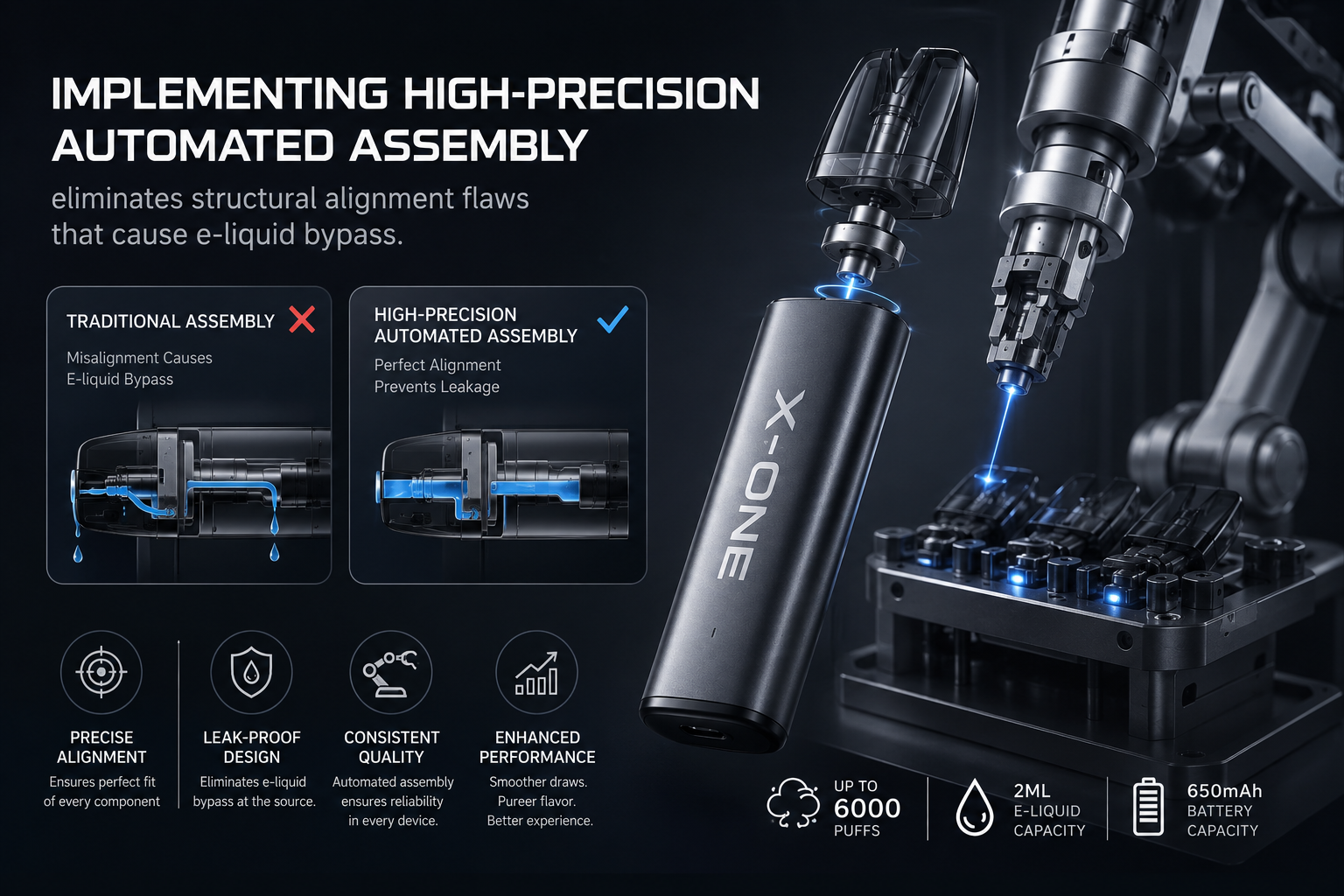
Image 1: Implementing high-precision automated assembly eliminates structural alignment flaws that cause e-liquid bypass.
1. Anatomical Breakdown of Modern Anti-Leaking Architecture
To successfully eliminate e-liquid migration into the battery compartment or the user's mouth, professional hardware must move past primitive cotton-wrapped designs. Elite manufacturing facilities deploy a three-tier physical barrier matrix:
The Structural Solution: Multi-Layer Silicone Gaskets & Isolation Shields
Premium disposable vape hardware utilizes custom-molded, high-density injection silicone seals placed at every critical material intersection. A continuous rubber gasket isolates the e-liquid storage matrix from the central chimney. Additionally, at the bottom of the atomization chamber, a dedicated condensation reclamation cavity lined with porous, medical-grade absorbent cotton traps stray micro-droplets before they can escape down through the base airflow intake holes.
Oil-Coil Separation (OCS) Technology
For inventory intended to remain in warehouses for extended periods (6 to 12 months), professional buyers demand Oil-Coil Separation (OCS) structural mechanisms. In an OCS device, the e-liquid is hermetically sealed in an upper compartment using a pull-plug or pressure-activated internal barrier. The liquid never comes into contact with the mesh coil during transit or storage. The retail consumer breaks the seal immediately before the first puff, guaranteeing zero leaks during international freight transport and keeping the coil perfectly fresh.
2. Fluid Dynamics: Matching Hardware to E-Liquid Viscosity
A flawless mechanical structure can still fail if the chemical viscosity of the e-liquid is mismatched against the physical pore size of the wicking matrix. B2B buyers must coordinate closely with the factory's chemical engineers to align these parameters based on target regional climates.
The PG/VG Ratio Matrix
E-liquids are formulated primarily from Propylene Glycol (PG) and Vegetable Glycerin (VG). Propylene Glycol is thin and carries flavor efficiently, while Vegetable Glycerin is dense and produces thick vapor clouds. If a factory fills a device featuring large wicking holes with a high-PG juice (e.g., a 50PG/50VG blend designed for low-wattage mouth-to-lung vaping) in a tropical market, the thin fluid will inevitably flood the coil core, resulting in aggressive spitting and bottom-base leakage.
| Target E-Liquid Type | Viscosity Ratio (VG/PG) | Required Hardware Mesh Aperture | Leak Risk Environment |
|---|---|---|---|
| Nicotine Salt (Low Wattage) | 50% VG / 50% PG | Micro-pores (Ultra-dense fiber) | High Risk in extreme heat zones (fluid thins further) |
| Balanced All-Weather Blend | 60% VG / 40% PG | Standard Optimized Aperture | Highly stable for global maritime container transit |
| Freebase Cloud Chase (Sub-Ohm) | 70% VG / 30% PG | Large-bore structural intake | High Risk in sub-zero climates (fluid gels, causes dry burns) |
3. Simulating Air Freight: The Vacuum Negative Pressure Test
One of the most common reasons e-cigarettes leak before arriving at a distribution hub is atmospheric pressure drops. When cargo airplanes ascend to cruising altitudes, the air pressure inside the unpressurized or semi-pressurized cargo hold plummets. This creates a pressure differential where the air inside the vape's tank expands rapidly, pushing the e-liquid out through the chimney and airflow channels.
To mitigate this international logistics vulnerability, professional B2B suppliers must subject every production lot to a **Negative Pressure Simulation Chamber**. Completed devices are placed inside a laboratory vacuum sealed unit that drops atmospheric pressure down to 50kPa for a continuous 24-hour cycle. Any device exhibiting even micro-levels of outer casing wetness or base seepage is instantly rejected, ensuring the remaining bulk lot can safely navigate trans-oceanic air shipping routes without failure.
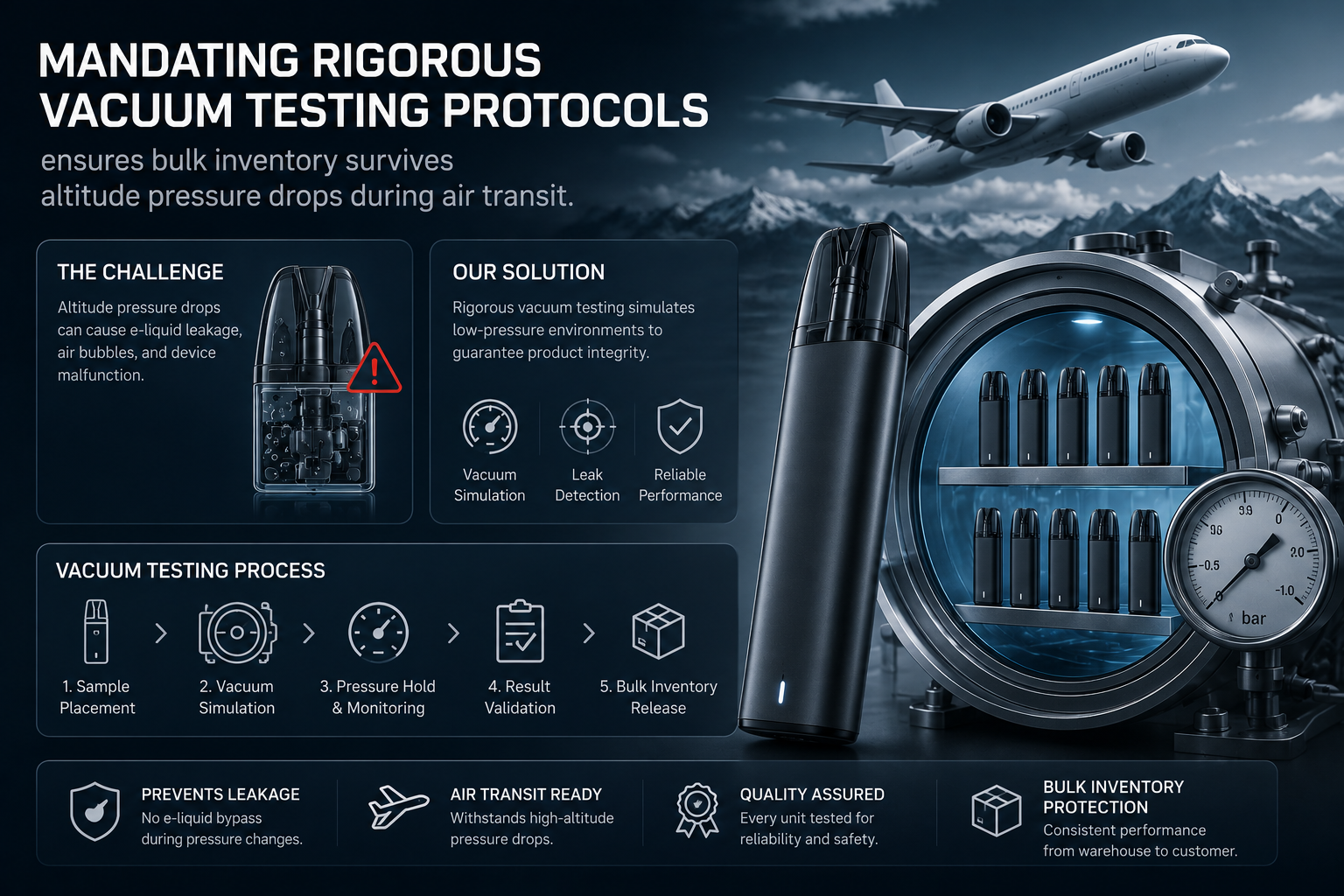
Image 2: Mandating rigorous vacuum testing protocols ensures bulk inventory survives altitude pressure drops during air transit.
4. Sourcing Safeguards: Formulating Your Contractual Quality Agreement
When negotiating a high-volume manufacturing contract with an overseas vape producer, relying on verbal guarantees is a critical mistake. Protect your operational capital by integrating the following performance indicators into your formal purchase order (PO):
- Acceptable Quality Limit (AQL): Mandate a strict AQL standard of 0.5% for major functional defects (including leakage, auto-firing, or complete dead cells) and 1.0% for minor cosmetic imperfections.
- High-Temperature Stress Validation: Require the manufacturing partner to execute a 48-hour thermal environmental storage test at 55°C (131°F) to ensure that the silicone gaskets maintain their sealing tension even during hot summer container shipping conditions.
- Defective Replacement Clauses: Establish a clear contractual amortization clause stating that any batch exceeding the agreed-upon defect threshold will be fully credited or replaced by the manufacturer in the subsequent production run, covering all international re-shipping tariffs.
Conclusion: Lower Your Return Rates and Secure Distributor Trust
In the highly competitive international e-cigarette ecosystem, the distributors who dominate the market are not those who chase the absolute cheapest unit prices, but those who deliver absolute product consistency to their retail networks. By auditing a factory's anti-leaking architecture, mandating advanced Oil-Coil Separation mechanisms, and precisely matching your e-liquid PG/VG ratios to the underlying heating hardware, you eliminate the risk of product degradation. Investing in certified leak-proof hardware preserves your brand equity, optimizes your warehouse storage timelines, and ensures long-term profitability across global supply chains.