












































































Wholesale Disposable Vapes & Pod Systems: B2B Sourcing and Compliance Guide
The Ultimate B2B Sourcing Guide: How to Vet a Wholesale Disposable Vape Manufacturer and Navigate Global Compliance
For international vape distributors, regional wholesalers, and multi-store vape shop networks, establishing a resilient and agile hardware supply chain is the cornerstone of commercial survival. The global e-cigarette market has transitioned rapidly from complex, hobbyist mechanical mods to high-capacity disposable vapes (smart-screen disposables) and high-efficiency closed/open pod systems. This shift offers massive inventory turnover and lucrative profit margins for bulk B2B importers.
However, the vaping industry carries immense regulatory and operational risks. Sourcing sub-par hardware can result in catastrophic battery failures, toxic e-liquid leakage, severe customs seizures, or total brand bans by local health authorities. This comprehensive technical brief outlines the critical engineering benchmarks, battery safety metrics, and international compliance profiles required to safeguard your bulk vape procurement investments.
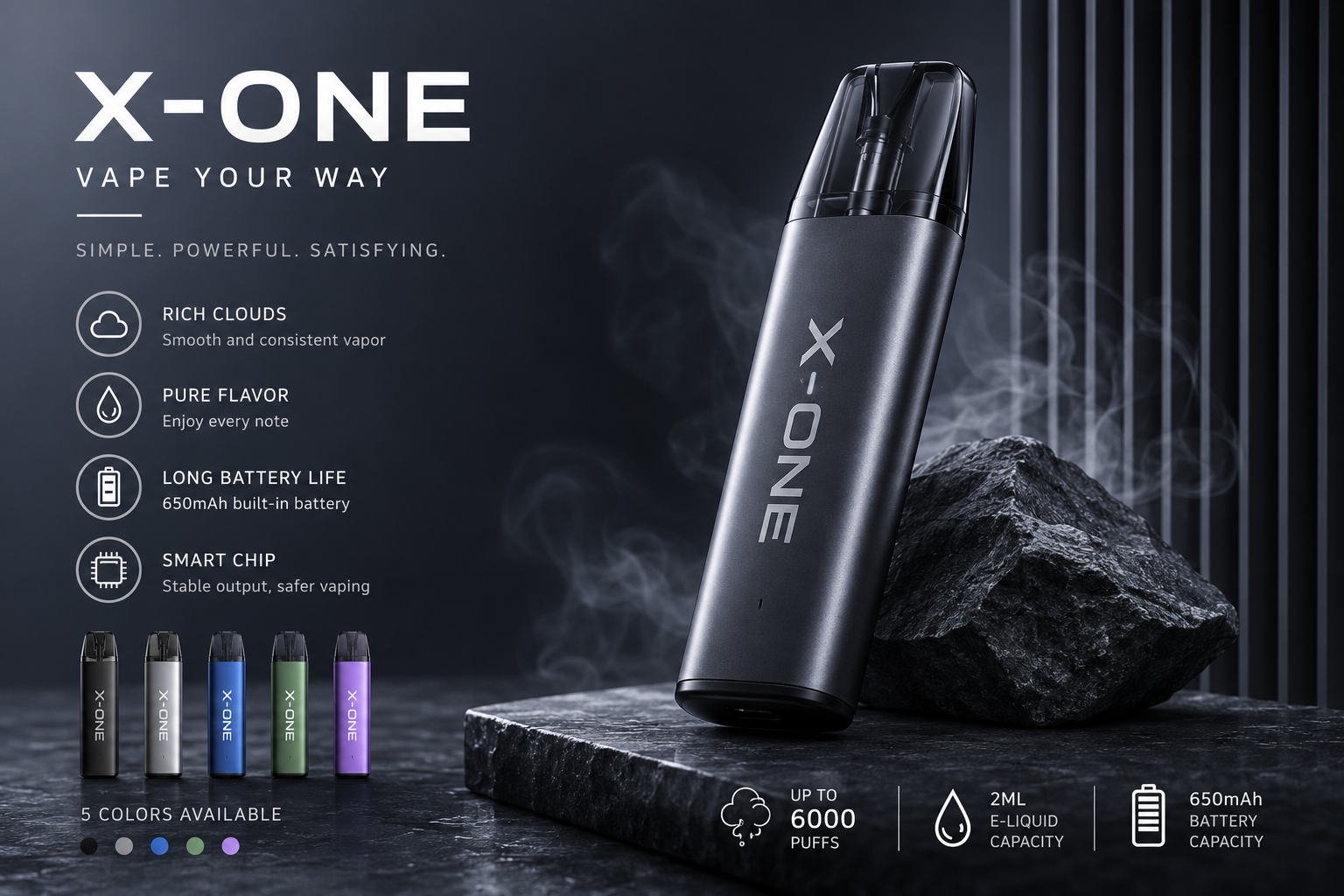
Image 1: Advanced electronic cigarette hardware utilizing smart-screen telemetry and dual-mesh coil technology.
1. Core Hardware Engineering: Coils, Wicking, and Smart Telemetry
The consumer vaping experience relies entirely on aerosol consistency and flavor fidelity. When evaluating a wholesale manufacturing facility, procurement managers must analyze the internal vaporization architecture rather than just the exterior chassis aesthetics.
The Atomization Core: Dual-Mesh Coil Technology
Traditional single-wire coils suffer from uneven heating, leading to localized "dry hits" and premature cotton burning. Commercial-grade disposable vapes must utilize dual-mesh coils configured with alternating firing sequences. Mesh structures provide a significantly larger surface-area-to-mass ratio compared to traditional coils. This engineering ensures instantaneous ramp-up times, uniform heat distribution across the e-liquid-saturated cotton, and a 30% increase in flavor retention over the entire lifespan of the device (up to 20,000+ puffs).
Smart LED Telemetry Screens
The modern B2B market dictates that premium disposables incorporate micro-LCD or LED smart screens. Driven by integrated chipsets, these displays provide real-time tracking of E-liquid Levels and Battery Percentage Indicators. For bulk buyers, stocking smart-screen hardware allows you to position inventory in the premium retail tier, unlocking superior wholesale pricing structures compared to generic, screen-less hardware.
2. Battery Cell Metallurgy and Safety Protocols
Because disposable electronic cigarettes are low-cost consumer electronics, battery skimping is a prevalent malpractice among low-tier suppliers. Lithium-ion battery stability is non-negotiable.
Pure Cobalt vs. Manganese Battery Cells
Premium, rechargeable disposables must be equipped with Pure Cobalt lithium-ion cells (typically 13350 or 14300 formats ranging from 550mAh to 850mAh). Pure cobalt batteries offer high energy density, a flat discharge curve, and excellent thermal stability over multiple recharging cycles via Type-C ports. Lower-tier factories frequently substitute cobalt with cheap manganese or recycled battery cells to lower costs. Recycled cells suffer from high self-discharge rates, meaning your inventory can lose its charge while sitting in a maritime shipping container, resulting in "Dead on Arrival" (DOA) stock at your customer's retail counters.
Overcharge and Short-Circuit Protection (MSDS Protocols)
The internal PCB (Printed Circuit Board) must feature hardware-level protections, including an automatic 10-second firing cutoff, over-discharge protection, and low-voltage protection. Every batch of batteries must possess a verified UN38.3 certification and a comprehensive Material Safety Data Sheet (MSDS), which are mandatory documents required by international airlines and shipping lines for hazardous materials (Class 9 Dangerous Goods) transport.
3. Technical Specifications & B2B Procurement Matrix
To streamline container load planning (CLP) and maximize warehouse SKU management, the table below maps out the industry-standard technical metrics for commercial vape distribution:
| Product Category | Average E-Liquid Capacity | Nicotine Concentration Options | Battery Core Spec | Target Regional Market |
|---|---|---|---|---|
| TPD Compliant Pods | 2.0 mL strictly capped | 0% / 1% / 2% Salt Nic | 400mAh Pure Cobalt | United Kingdom & European Union |
| High-Puff Rechargeable | 14.0 mL to 20.0 mL | 2% / 5% Salt Nic | 650mAh + Type-C | United States, Middle East, LATAM |
| Open Pod Mod Hardware | Refillable Tank Cartridge | Hardware Only (0% Nic) | 1000mAh Integrated | Global Vape Lounge / Specialty Distribution |
4. Navigating Global Vape Compliance: TPD, PMTA, and Customs Clearance
The electronic cigarette sector is heavily governed by destination-port medical and chemical frameworks. Failing to align your production invoices with local regulations will lead to immediate asset confiscation by border protection authorities.
The European Market: TPD Regulations
To legally distribute within the EU and UK, devices must strictly satisfy the Tobacco Products Directive (TPD) protocols. Sourcing guidelines include:
- Maximum tank capacity must not exceed 2.0 mL.
- Maximum nicotine concentration is capped strictly at 20 mg/mL (2%).
- Packaging must feature explicit, language-compliant graphic health warnings covering 30% to 50% of the box surface area, alongside full ECID (European Common Entry Gate) registration numbers.
The United States Market: FDA & PMTA Requirements
Sourcing electronic nicotine delivery systems (ENDS) for the US market requires dealing with factories that possess comprehensive Premarket Tobacco Product Applications (PMTA) submission trails. Due to intense FDA enforcement actions against unauthorized flavored hardware, wholesale distributors must mandate that their manufacturing partners utilize transparent tracking manifests, certified ingredient listings, and age-verification compliant wholesale outer packaging.
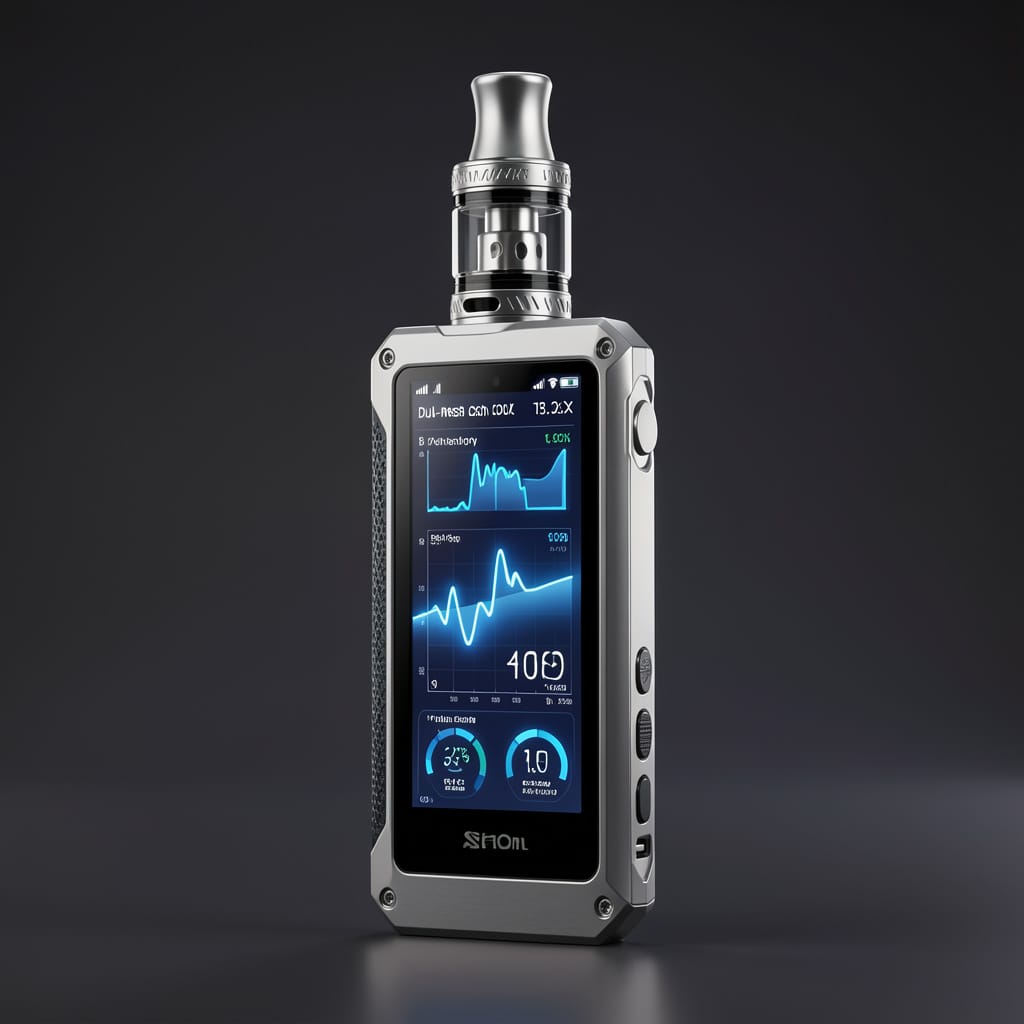
Image 2: Electronic cigarette hardware should be assembled inside certified GMP dust-free cleanroom facilities.
5. Anti-Leaking Architecture and Post-Cure Washing
The single most destructive consumer complaint in e-cigarette wholesale is e-liquid leakage. Leaking vape juice ruins the device's internal sensor chips, causes automatic firing short-circuits, and damages outer retail packaging boxes.
Reputable manufacturing facilities implement a multi-layered anti-leakage structural seal. This involves incorporating precise silicone isolation gaskets between the airflow intake chamber and the e-liquid reservoir. Furthermore, the completed devices undergo comprehensive vacuum-pressure testing chambers to simulate the atmospheric pressure drops experienced inside air-cargo carrier holds. Ensuring your factory implements these pre-shipment stress tests drastically mitigates your regional return rates.
Conclusion: Prioritize Compliance and Engineering Stability
Sourcing success in the international e-cigarette sector requires looking past low-cost unit pricing and prioritizing long-term hardware safety and strict regulatory alignment. While uncertified white-label factories present enticing initial quotes, the underlying costs of customs rejections, battery short-circuits, and leaky stock will destroy your brand's regional market share. Protect your inventory investments by auditing production cleanrooms, mandating pure cobalt battery specifications, and partnering with manufacturers who possess absolute regulatory transparency from laboratory to port clearance.